

The definition of a صحابي “companion” as mentioned by Ibn Hajr
ابن حجر العسقلاني- رحمه الله :
من لقي النبي صلى الله عليه و سلم مؤمنا به ومات على الاسلام و إن تخللت ردة
He who met the Prophet (ﷺ) believing in him, and died upon Islam, even if he apostates in between – upon the most correct opinion.
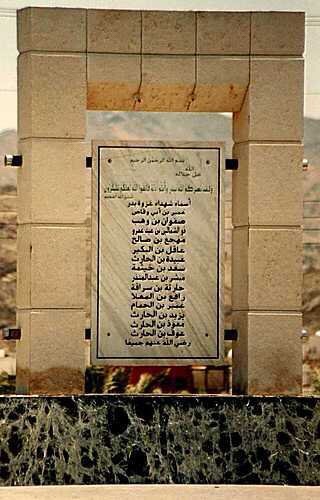
Blindness is not considered a condition of exclusion from companionship. For there were Sahabah that were blind, such as a well known story of Ibn Umm Maktum رضي الله عنه who was born blind, was among the first to embrace Islam, and about whom the first ten verses of Surah Abasa from the Qur’an were revealed. The Prophet (ﷺ) was preaching Islam to Walid Bin al-Mughira and other Quraish chiefs in Makkah. AbdAllah ibn Umm Maktum رضي الله عنه came along and was seeking guidance from him. The Prophet (ﷺ) who was focused on conversing with the Quraish chiefs and passing the message of Islam to them frowned at ibn Umm Maktum رضي الله عنه. Allah reprimanded the Prophet (ﷺ) for this action by revealing the first ten verses of Surah Abasa [3]
The first of the Sahabah …
Abu Bakr Al-Sideeq (from the men), Zaid Ibn Harith (from the freed slaves), Bilal Ibn Rabah (from the slaves), Ali Ibn Abi Talib (from the children), Kadeejah bint Kuwaylid and Sumayyah bint Khayyat (from the women) رضي الله عنهم
and the last …
In Saheeh Muslim on the authority of Abu at Tufayl ( ابو طفيل عمرو ابن واثله الليثى ) who said:
“I saw the Messenger of Allaah – (ﷺ) – and there is no one left on the face of the earth who saw him other than me” [5]
He saw Allah’s Messenger (ﷺ) in the the Last Hajj (Hijjat ul Widaa’). He was young at that time, and he was asked, how your love for him was at that time. He replied, “Like the love of mother of Musa for Musa”.
Abu Tufail ‘Amr ibn Wathila al-Leethi رضي الله عنه died after 100 Hijri. Historians have mentioned three different narrations for his death: 100 Hijri, 107 Hijri or 110 Hijri. He died in Makkah. Adh-Dahabi says the correct opinion is that he died in 110th Hijri.
Ibn ‘Asakir رحمه الله quotes a narration in Tareekh Madinah Damishq:
آخر من مات من أصحاب رسول الله صلى الله عليه وسلم على وجه الأرض عامر أبو الطفيل بن واثلة وكان يقول ما بقي على وجه الأرض أحد يقدر يقول أنه رأى رسول الله صلى الله عليه وسلم غيري مات بمكة سنة مائة
“The last one to die from the companions (Sahaba) of Allah’s Messenger (Peace be upon him) on the face of the earth is ‘Aamir Abu Tufail bin Wathila and he used to say, ‘No one is left on the face of the earth who can say: I saw Allah’s Messenger, save me’. He died in Makkah in 100 Hijri”
Ibn-Hibban رحمه الله quotes a narration in Ath-Thiqaat :
عامر بن واثلة أبو الطفيل المكى أدرك ثمان سنين من حياة رسول الله صلى الله عليه و سلم ومات بمكة سنة سبع ومائة وهو آخر من مات من أصحاب رسول الله صلى الله عليه و سلم بمكة وهو من بنى كنانة
“‘Aamir bin Wathila Abu Tufail al-Makki got 8 years from the life of Allah’s messenger, and he died in Makkah in the year 107th Hijri, and he was the last one from the companions (Sahaba) of Allah’s Messenger to die in Makkah, and he was from Bani Kinanah”
Shaikh Mohammed Ibn Saleh Al-Uthaymeen رحمه الله , said, [4] “The last of all of the Companions to die was ’Aamir ibn Waathilah al-Laithi in the year 110 AH. The last of them to die in Medinah was Mahmood ibn ar-Rabi’ in 99 AH. In Damascus, Syria, the last of them to die was Waathilah ibn al-Asqa’ in 86 AH. The last of them to pass away in Basrah was Anas ibn Maalik in 93 AH. In Homs it was ’Abdullaah ibn Busr al-Maazini in 98 AH; in Kufah, ’Abdullaah ibn Abi Awfaa al-Aslami in 87 AH and the last of them to pass away in Egypt was ’Abdullaah ibn al-Haarith in 89 AH.” رضي الله عنهم
The scholars use the following Hadith as evidence that Aamir ibn Waathilah was indeed the last Sahabi.
أَنَّ عَبْدَ اللَّهِ بْنَ عُمَرَ، قَالَ صَلَّى بِنَا النَّبِيُّ صلى الله عليه وسلم الْعِشَاءَ فِي آخِرِ حَيَاتِهِ، فَلَمَّا سَلَّمَ قَامَ فَقَالَ “ أَرَأَيْتَكُمْ لَيْلَتَكُمْ هَذِهِ، فَإِنَّ رَأْسَ مِائَةِ سَنَةٍ مِنْهَا لاَ يَبْقَى مِمَّنْ هُوَ عَلَى ظَهْرِ الأَرْضِ أَحَدٌ ”
Narrated by `Abdullah bin `Umar:
Once the Prophet (ﷺ) led us in the `Isha’ prayer during the last days of his life and after finishing it (the prayer) (with Taslim) he said: “Do you realize (the importance of) this night?” Nobody present on the surface of the earth tonight will be living after the completion of one hundred years from this night.” [1]
Their number…..
Imam Shafi رحمه الله, attributes approx 60,000 Sahabah in Makkah and 30,000 in Medina at around the time of the prophet’s death, this is corroborated by many narrations which state that there were approx 100,000 Sahabah present in the Hijjat ul Widaa.
What is the difference between a Sahabi who saw the Prophet (ﷺ) while he was alive and while he was dead?
The answer is that in reality a person is only recognised as a Sahabi, if he met the Prophet (ﷺ) while he was alive. As for the one who saw him (ﷺ) after his death then he is not a companion. Khalid bin Khuwaylid al-Hudhali was a poet who accepted Islam and decided to travel to Medina to meet the Prophet (ﷺ) who was at the time in his final illness, however he arrived too late, the Prophet (ﷺ) passed away just before his arrival, so Khalid bin Khuwaylid al-Hudhali only saw him after his death and prayed upon him and witnessed the burial; he therefore, is not considered a companion. Similarly Al-Najashi رحمه الله of Ethiopia died as a Muslim [1] during the time the Prophet (ﷺ) was alive but he never got to meet the Prophet (ﷺ) so he and Khalid will not be regarded as Sahaba, rather as one of the التابعون (Tabi’oon) i.e. a contemporary of the Sahabah
Footnotes:
[1] (Sahih al-Bukhari 116)
[2] (Sahih Bukhari 1263, Sahih Muslim 951)
عَنْ أَبِي هُرَيْرَةَ أَنَّهُ قَالَ نَعَى لَنَا رَسُولُ اللَّهِ صَلَّى اللَّهُ عَلَيْهِ وَسَلَّمَ النَّجَاشِيَ صَاحِبَ الْحَبَشَةِ فِي الْيَوْمِ الَّذِي مَاتَ فِيهِ فَقَالَ اسْتَغْفِرُوا لِأَخِيكُمْ
1263 صحيح البخاري كتاب الجنائز باب الصلاة على الجنائز بالمصلى والمسجد
951 صحيح مسلم كتاب الجنائز باب في التكبير على الجنازة
[4] مصطلح الحديث ـ العلامة محمد بن صالح العثيمين
 Pearls of knowledge