

The الكتب الستة Six Books of الحديث Hadith, sometimes referred to as الصحيح الستة Al-Sihah al-Sittah, which translates as “The Authentic Six”, were indeed written by luminaries within the Islamic world, they were:
- Sahih Bukhari, collected by Imam Bukhari (d. 256 AH, 870 CE), includes 7,275 أَحَادِيث ahadith
- Sahih Muslim, collected by Muslim b. al-Hajjaj (d. 261 AH, 875 CE), includes 9,200 أَحَادِيث ahadith
- Sunan Abu Dawood, collected by Abu Dawood (d. 275 AH, 888 CE), includes 4,800 أَحَادِيث ahadith
- Jami al-Tirmidhi, collected by al-Tirmidhi (d. 279 AH, 892 CE), includes 3,956 أَحَادِيث ahadith
- Sunan al-Sughra, collected by al-Nasa’i (d. 303 AH, 915 CE), includes 5,270 أَحَادِيث ahadith
- Either:
- Sunan ibn Majah, collected by Ibn Majah (d. 273 AH, 887 CE), over 4,000 أَحَادِيث ahadith
- Muwatta Malik, collected by Imam Malik (d. 179 AH, 795 CE), 1,720 أَحَادِيث ahadith
What is fascinating to learn is that (except Imam Malik) all 6 of these محدث muhadith where all alive around at the same time and most importantly they were all non-Arabs [1]
The focus of this Article is one of the lesser talked about of these beacons of Islamic knowledge:

أبو عيسى محمد بن عيسى السلمي الضرير البوغي الترمذي
Abū ‘Īsá Muḥammad ibn ‛Īsá as-Sulamī aḍ-Ḍarīr al-Būghī at-Tirmidhī b209 AH and d.279
He was a student of Al-Bukhari, Muslim ibn Hajaj, Aboo Dawood Al Sijistani and Al Darami رحمهم الله where from his main teachers.
From his students where; Hamad ibn Shakir, Haitham Al Shashi and even Bukhari and Muslim as the both narrated حديث hadith from him. Imam Bukhari رحمه الله said to him “you have not benefited from me as I have benefited from you” [Al-Talhib]
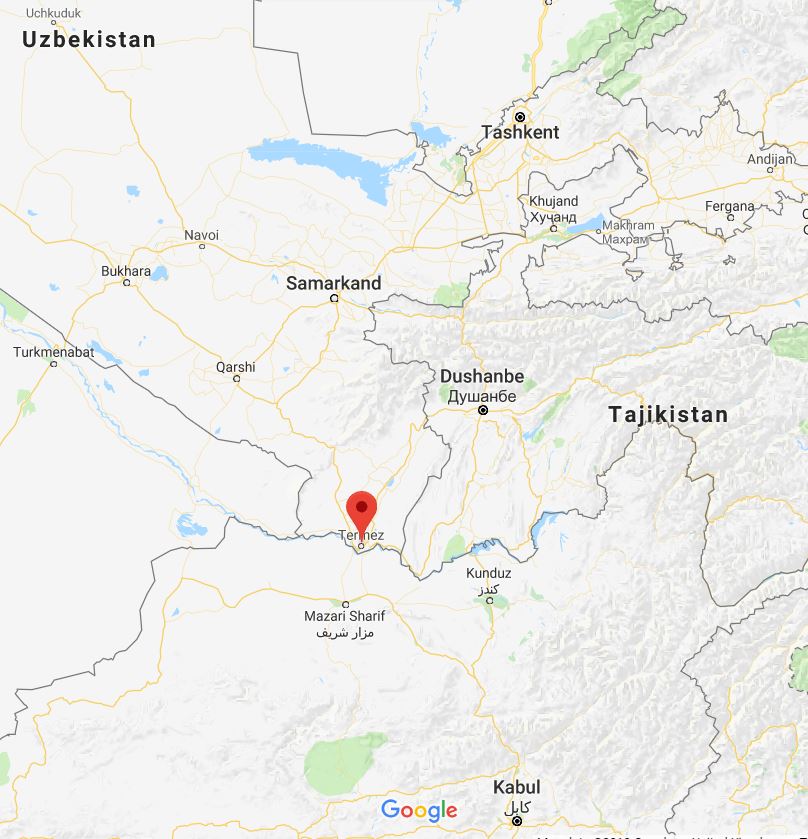
He was from Tirmidh – which is in Uzbekistan, south of Bukara (where Imam Bukhari was from) and bordering Afghanistan.
Quality not quantity; His works number only about 12 and only 4 have survived until today. They are however exceptional in subject matter and content;
- سُـنَن الترمذي Al Sunan Al Tirmidhi [2] – (The book is known as both Al Jamiya Al Tirmidi and Al Sunan Al Tirmidhi). This meticulous compilation of حديث hadith was presented to the scholars of Iraq and Khurasan (middle Persia and in those days the main cities of Khorasan were Balkh and Herat (now in Afghanistan), Mashhad and Nishapur (now in northeastern Iran), Merv and Nisa (now in southern Turkmenistan), and Bukhara and Samarkand (now in Uzbekistan) and they were happy with it and praised it by saying that whoever has this book in their homes, it is as though the prophet is speaking and advising them. It contains Approx 3,956 hadeeth with no repetition except 3 or 4 narrations (e.g. In some collections the المتن matn text is the same by the الإســنــاد isnad chain of narration is different and these are regarded as a different narrations)
- الشمائل المحمدية Shama’il Muhammadiyah – a collection of hadeeth which cover these masterpiece of hadith collection which contains a specific description of the prophet (e.g his physical description, character, personality, habits etc). [6]
- تسمية اصحاب رسول الله Tasmiyah Ashaab RasoolAllah – the actual names of the companions of the messenger. Many companions are know by their كنية Kunya or لقب laqb only so it is important to know their real names and lineage. [3]
He was a فقي Faqee (Jurist) and not just a Muhadith, historically he was the first one to write in the field of comparative fiqh e.g. the opinion of different مذاهب madahib. He himself was also a مجتهد mujtahid himself so had the ability to form opinions and rulings directly from the source texts. Sunan Al Tirmidhi is unique from the different books of سُـنَن Sunan in that it mentions the opinions on many matters of فقه fiqh (Islamic jurisprudence) for example the opinions of: imam Malik, imam Shafi , Ishaq bin Rahooyah رحمهم الله as well as others, are considered in relation to the ahadeeth from which different rulings are derived.
In the book, Al Tirmidhi also shows his mastery in الجرح وتعديل Jar wa Ta’deel [4] hence classifying the narrators of hadeeth. The book as the ahadeeth divided into the various حديث Hadith terminology known as الحَدِيْث مُصْطَلَحُ muṣṭalaḥ al-ḥadīth, which is the science of classifying ahadeeth into different categories of صَحِيْح sahih, ضَعِيْف daeef, مَوْضُوْع mawdu or other applicable categories of the narrations [5].
Al Tirmidhi رحمه الله has even give a summary شَرّ sharr (explanation) of any hadeeth that may be difficult to understand or contained a difficult wording. Abdullah ibn Muhammed Al Ansari mentions that in some ways his سُـنَن Sunan is more beneficial then the books of Bukhari and Muslim because for the majority of these can books only be understood in a deep meaning by the scholars. Whereas Sunan Al Tirmidhi in its entirety can be understood by even the layman (with the supplementary commentary and explanation of Al Tirmidhi. Al Dareer means the one who was blind. The scholars say that towards the end of his life Al Tirmidhi رحمه الله became blind because he used to cry so much due to the fear of Allah.
[1] It is a shame that today many non-arab Muslims do not take inspiration from these (non-arab) mountains of knowledge of the past and in more recent times the likes of Shiekh Nasir ul deen Al baani, to learn the language of the Quran (i.e. Arabic) and attempt to excel in the understanding of the ahadeeth of the Prophet, its science and relationship with the Quran (i.e. in تفسير tafseer or exegesis), rather than relying on translations which can never give the words of the Prophet justice like the original Arabic language within which they were transmitted.
[2] سُـنَن Sunan – The books of حديث Hadith which are referred سُـنَن Sunan are because the chapters in the book go according to the ترتیب tarteeb or arrangement of fiqh [2.1]
جامع Jamai’a – Books of حديث Hadith known as such is because they are more comprehensive, as they go above and beyond the chapters of فقه fiqh, e.g. Seerah, Tafseer, Aqueeda and Eman etc
مُسْنَد Musnad – Books of حديث Hadith known as such because they are compiled according to the sahabah regardless of whether they are deaf, Sahih or mawdoo – One may think that the scholars slipped in narrating all the different types of حديث hadith, however they did not, for their is reasons in noting this so that the fabricated narrations are also known by way of their المتن matn (the text of the حديث hadith) and by way of their الإســنــاد isnaad (i.e chains of narrators) so that if they are mentioned elsewhere then it can be established right away whether they fall into any of the different حديث hadith classifications and grading. In the same way that the حرام haraam (prohibited) and innovated actions are mentioned by the scholars so that the people know and are away of their dangers.
[2.1] Islamic jurisprudence فقه fiqh covers two main areas:
- Rules in relation to actions, and,
- Rules in relation to circumstances surrounding actions.
These types of rules can also fall into two groups:
- Worship عبادة Ibadaat which is usually ordered in the following manner; Purification, Prayer, Zakah, Fasting and Hajj
- Dealings & Transactions (with people) الـمـعـامـلاتMu`amalaat – which are usually ordered in the following manner; Trade transactions, Partnership, Sharecropping & Renting, Reclaiming of wastelands & possession of allowable objects, Inheritance, Marriage, Divorce, Breastfeeding, Legal Retribution, Prescribed Punishments, Food, Oaths & Vows and Judiciary,
Rules in relation to actions (‘amaliyya — عملية) or “decision types” comprise:
- Obligation فرضfardh
- Recommendation مستحبّ mustahabb
- Permissibility مباح mubah
- Disrecommendation مكروه makrooh
- Prohibition حرام haraam)
Rules in relation to circumstances (wadia’) comprise:
- Condition (shart)
- Cause (sabab)
- Preventor (mani)
- Permit / Enforced (rukhsah, azeemah)
- Valid / Corrupt / Invalid (sahih, fasid, batil)
- In time / Deferred / Repeat (adaa, qadaa, i’ada)
[3] A kunya is a name which is honorably given within Arab culture to the mother or father of an child. A married person is usually called by their kunya name, which is abu (father) or umm (mother) plus the name of their first born. Their whole name is their name plus their kunya. For example, Umm Ja’far Aminah is the mother of Ja’far. The kunya precedes the personal name. Similarly, the laqab or alqāb refers to nickname; title, honorific; last name, surname, family name. The laqab is typically descriptive of the person. In ancient Arab societies use of a laqab was common, but today is restricted to the surname, or family name, of birth.
For example, the famous companions Abu Bakr ibn Abu Quhafa Al Sideeq [even his father had a nickname] and Abu Hurairah are most commonly referred to by their kunya or laqab. Thier real names respectively were Abdullah Ibn Uthman and Abdurahman Sakhr Al Dawsi رضي الله عنهم . Similarly the Abbasid Caliph Haroun al-Rasheed. Haroun is the Arabic form for Aaron and al-Rasheed means “the rightly-guided”.
Muslim scholars agreed on five main objectives to be considered the Shari’ah’s high objectives. These five objectives are: the preservation of the self; the preservation of the reason; the preservation of the religion; the preservation of the property/monetary; and the preservation of lineage (hifdh al nasb). So as a side benefit when naming children, the sunnah is to name a child with his father’s first name attached as his second name and then at the end the family name, so the lineage is known. This is mentioned by Abû Ishâq ash-Shâtibî (d. 790AH) رحمه الله , a prominent Muslim figure in the categorization of these universal higher objectives of the shariah in his book Al-Mwafaqat fi Usul al-Ahkam) in the science of Usul al-Fiqh.
[4] Jarh wa Ta’deel (Arabic: الجرح وتعديل) is two sciences: the science of jarh (criticizing) and of ta’deel (praising). The science of jarh is an independent science and this refutes the false methodology of mentioning the good with the bad. The science of jarh is an independent science, and for this reason many of the Imams wrote books with just jarh (criticizing) in them
[5] A حديث hadith that is Ṣaḥīḥ (صَحِيْح) is one which has been determined to be authentic.
The Ḍaʻīf (ضَعِيْف) is the categorization of a حديث hadith as “weak”. Ibn Hajar described the cause of a حديث hadith being classified as weak as “either due to discontinuity in the chain of narrators or due to some criticism of a narrator.
A حديث hadith that is mawḍūʻ (مَوْضُوْع) is one determined to be fabricated and cannot be attributed to its origin.
[6] Al Tirmidhi narrates from Abu Hurarirah رضي الله عنه who narrated that the Messenger of Allah ﷺ said:
“Dreams are of three types: The true dream, dreams about something that has happened to the man himself, and dreams in which the Shaitan (the devil) frightens someone. So whoever sees what he dislikes, then he should get up and perform Salah (prayer) ” And he would say: “I like fetters and I dislike the iron collar.” And he would say: ” Whoever has seen me (in a dream) then it is I , for indeed Shaitan (the devil) is not able to resemble me.” – There are many that claim they have seen the Prophet ﷺ in dream, however who from the claimers have even bothered to study the actual authentic appearance of the Prophet ﷺ, whereas we find imam Al Tirmidhi رحمه الله has done this monumental work in collecting together in one group all the different narrations relating to the description of the Prophet ﷺ, however how few are those that have studied it and sought to memorise these narrations.
 Pearls of knowledge
One thought on “Imam Al Tirmidhi رحمه الله”