
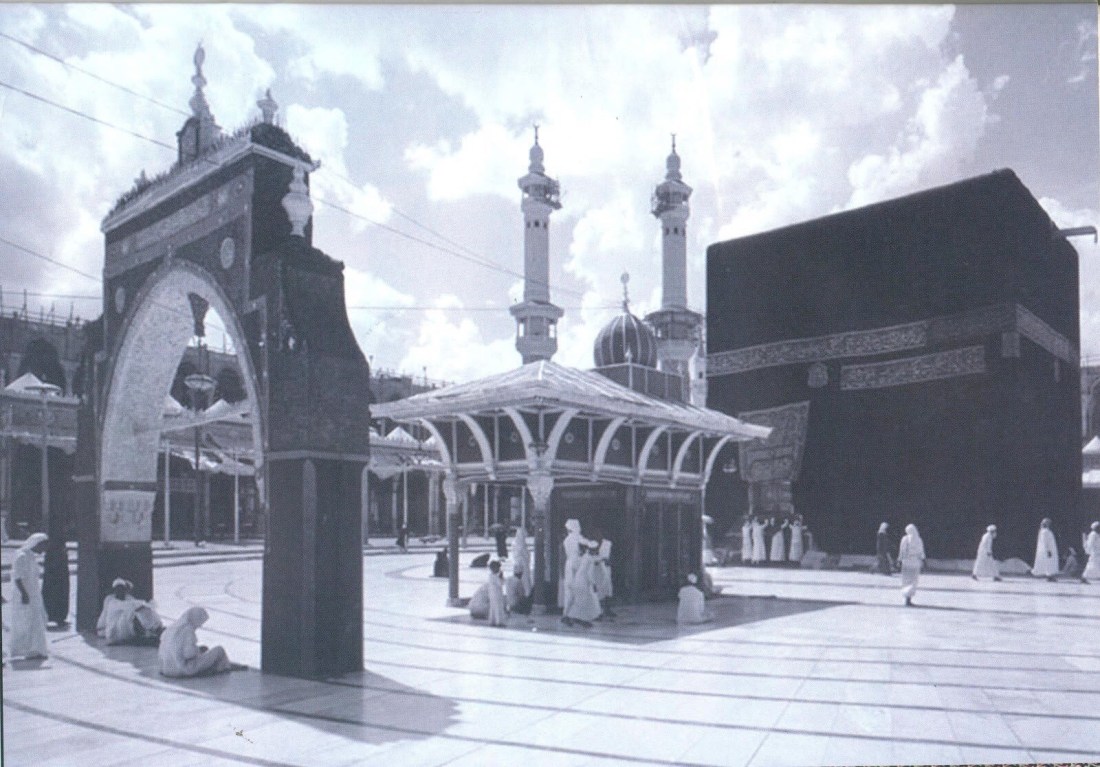
Scholars like ibn Taymiyah رحمه الله have gone through the Quran and Sunnah in extensive detail to make clear the rules around how to recognise Makki مكي and Madni مدانی Suwar سور , for verily this distinction is important in giving the different Suwar سور in the Quran context in meaning and to help with the correct understanding and interpretation.
In general, if the Surah سورة was revealed before the Hijra هِجْرَة (i.e. the migration of the Prophet ﷺ to Medina) is Makki مكي.
And if the Surah سورة was revealed after the Hijra هِجْرَة it is Madni مدانی.
It can be also be the case that a Madni مدانی surah is revealed in Makkah e.g Surah Nasr نصر 110 is a Madni مدانی surah by definition however it was revealed in Makkah during the farewell pilgrimage.
A narration from ʿAbd Allah ibn ʿUmar رضي الله عنه suggests that this Sūrah was revealed during the middle of the days of tashrīq (referring to 12th Dhū al-Ḥijjah) during the farewell pilgrimage in the 10th year after Hijrah.Musnad al-Bazzār (6135); as-Sunan al-Kubrā (9672); Tafsīr Ibn Kathīr (8: 509)
This is affirmed by the following narration in Ṣaḥīḥ Muslim (3024) that suggests that this was the final Sūrah to be revealed:
عن عبيد الله بن عبد الله بن عتبة قال: قال لي ابن عباس: يا ابن عتبة تعلم آخر سورة نزلت من القرآن؟ قلت: نعم ، إذا جاء نصر الله والفتح ، قال: صدقت
ʿUbayd Allāh ibn ʿAbd Allāh ibn ʿUtbah said, Ibn Abbas رضي الله عنه said to me, “O Ibn ʿUtbah, [do] you know the last chapter of the Qurʾān to be revealed?” I said, “Yes, [the Sūrah that begins with] إذا جاء نصر الله والفتح”. He [Ibn ʿAbbās] said, “You have spoken the truth.”
Furthermore, Shaykh Muhammad bin Saalih al-‘Uthaymeen رحمه الله said:
”Every Soorah that begins with the letters of the alphabet (i.e.الٓمٓ, الٓر etc) are Makkeeya(Soorahs which were revealed before the migration) except for Soorah al-Baqarah & Aali-‘Imraan.”
[Tafseer Soorah Ghaafir pg.34]
The key distinctions as mentioned by Ibn Taymiyah رحمه الله:
The Makki مكي Suwar سور are those chapters [1] which do not address the people of the book specifically, but left general or specific for the mushrikeen مشركين
Within the Madni مدانی Suwar سور the subject or person that is being addressed refers to the people of the book, or to the believers or some times it is left general.
Second distinction is that in the Makki مكي Surah سورة there is no mention of the Munafiqeen (i.e. the hypocrites) [2]
The third distinction is that the Makki مكي Suwar سور establish and deal with the fundamentals of Tawheed, Creation and the Hereafter. [3]
The fourth distinction is in the hadith of Aisha: “Verily that which was revealed first from that which was revealed was the more detailed Suwarسور ” i.e.the larger chapters. So the Makki مكي Suwarسور are more detailed.
The fifth distinction; in the Madni مدانی Suwar سور there is significant discussion of fiqh فقه, ahkaam الأحكام (i.e. rulings) and regulations with regards to worship are mentioned more specifically
So to put this to the litmus test, lets take Surah Fatihah and apply the above criteria to determine whether this Surah سورة is Makki مكي or Madni مدانی?
Even though the scholars of the past differed in that some mentioned that it was Makki مكي, some mentioned that some parts were Makki مكي and other parts were Madni مدانی , since the last two verses refer to the people of the book.
The correct opinion as mentioned by the famous Mufasir of the Quran; Imam Al Baghawi رحمه الله, is that Surah Fatiha is in fact a Makki مكي Surah. The most clearest proof he uses is from Surah Hijr (which itself is a Makki مكي Surah سورة )
وَلَقَدْ آتَيْنَاكَ سَبْعًا مِنَ الْمَثَانِي وَالْقُرْآنَ الْعَظِيمَ
And indeed, We have bestowed upon you seven of Al-Mathani سبع المثاني (the seven repeatedly recited Verses), (i.e. Surah Al-Fatiha) and the Grand Quran. [15:87]
So among the benefits is that, the scholars are able to understand which verses abrogate others. So if a verse was revealed in Makkah and then a few years later, another verse was revealed in Madinah and we the scholars are not able to combine them and join them together in meaning and understand, then that we know that the latter abrogated the first one. And this is mentioned in the Quran. Abrogation is part of the Quran because Allah أزواجال reveals verses in accordance to the situations of the recipients. For example, we know that alcohol was prevalent in the pre-Islamic Arab society. So Allah أزواجال, with His Kindness and Mercy did not prohibit wine immediately; it was prohibited in three different stages. So the last one abrogated the former two verses. The first one stated,
۞ يَسْأَلُونَكَ عَنِ الْخَمْرِ وَالْمَيْسِرِ ۖ قُلْ فِيهِمَا إِثْمٌ كَبِيرٌ وَمَنَافِعُ لِلنَّاسِ وَإِثْمُهُمَا أَكْبَرُ مِنْ نَفْعِهِمَا ۗ وَيَسْأَلُونَكَ مَاذَا يُنْفِقُونَ قُلِ الْعَفْوَ ۗ كَذَٰلِكَ يُبَيِّنُ اللَّهُ لَكُمُ الْآيَاتِ لَعَلَّكُمْ تَتَفَكَّرُونَ
They ask you (O Muhammad SAW) concerning alcoholic drink and gambling. Say: “In them is a great sin, and (some) benefit for men, but the sin of them is greater than their benefit.” And they ask you what they ought to spend. Say: “That which is beyond your needs.” Thus Allah makes clear to you His Laws in order that you may give thought.” [2:219] – This verse is Makki using the above defined criteria.
So it didn’t tell them don’t do it right away, however it gave them an indication of . But it gave them a hint. Then another verse came where Allah told them not to pray while in the state of intoxication.
يَا أَيُّهَا الَّذِينَ آمَنُوا لَا تَقْرَبُوا الصَّلَاةَ وَأَنْتُمْ سُكَارَىٰ حَتَّىٰ تَعْلَمُوا مَا تَقُولُونَ وَلَا جُنُبًا إِلَّا عَابِرِي سَبِيلٍ حَتَّىٰ تَغْتَسِلُوا ۚ وَإِنْ كُنْتُمْ مَرْضَىٰ أَوْ عَلَىٰ سَفَرٍ أَوْ جَاءَ أَحَدٌ مِنْكُمْ مِنَ الْغَائِطِ أَوْ لَامَسْتُمُ النِّسَاءَ فَلَمْ تَجِدُوا مَاءً فَتَيَمَّمُوا صَعِيدًا طَيِّبًا فَامْسَحُوا بِوُجُوهِكُمْ وَأَيْدِيكُمْ ۗ إِنَّ اللَّهَ كَانَ عَفُوًّا غَفُورًا
O you who believe! Approach not As-Salat (the prayer) when you are in a drunken state until you know (the meaning) of what you utter, nor when you are in a state of Janaba, (i.e. in a state of sexual impurity and have not yet taken a bath) except when travelling on the road (without enough water, or just passing through a mosque), till you wash your whole body. And if you are ill, or on a journey, or one of you comes after answering the call of nature, or you have been in contact with women (by sexual relations) and you find no water, perform Tayammum with clean earth and rub therewith your faces and hands (Tayammum). Truly, Allah is Ever Oft-Pardoning, Oft-Forgiving. [4:43]
So now they knew that there are times that they can drink, which is after ‘Isha probably because from ‘Isha prayer until Fajr prayer it’s like 7 or 8 hours, maybe 10 hours, so this would give them enough time to become sober. And then the last stage was revealed, where Allah said that this is the work of Shaitan and we should refrain from intoxicants; it became completely prohibited.
يَا أَيُّهَا الَّذِينَ آمَنُوا إِنَّمَا الْخَمْرُ وَالْمَيْسِرُ وَالْأَنْصَابُ وَالْأَزْلَامُ رِجْسٌ مِنْ عَمَلِ الشَّيْطَانِ فَاجْتَنِبُوهُ لَعَلَّكُمْ تُفْلِحُونَ
O you who believe! Intoxicants (all kinds of alcoholic drinks), gambling, Al-Ansab, and Al-Azlam (arrows for seeking luck or decision) are an abomination of Shaitan’s (Satan) handiwork. So avoid (strictly all) that (abomination) in order that you may be successful. [5:90]
Hence, abrogation is there in the Qur’an and one of the advantages of knowing what is Makki مكي and what is Madani مكي is that, if we cannot join two verses in meaning, then we know that whatever was revealed later has abrogated what was revealed before.
Footnotes
[1] 3rd Volume, p69 – Al Jawab Al Sahih – Ibn Taymiyah
رحمه الله[2] Majmoo Al Fatawa p193, Vol 17 – Ibn Taymiyah رحمه الله[3]
Manhaj Al Sunnah , Vol 7, p179- Ibn Taymiyah رحمه الله
 Pearls of knowledge